Letters from Another Time
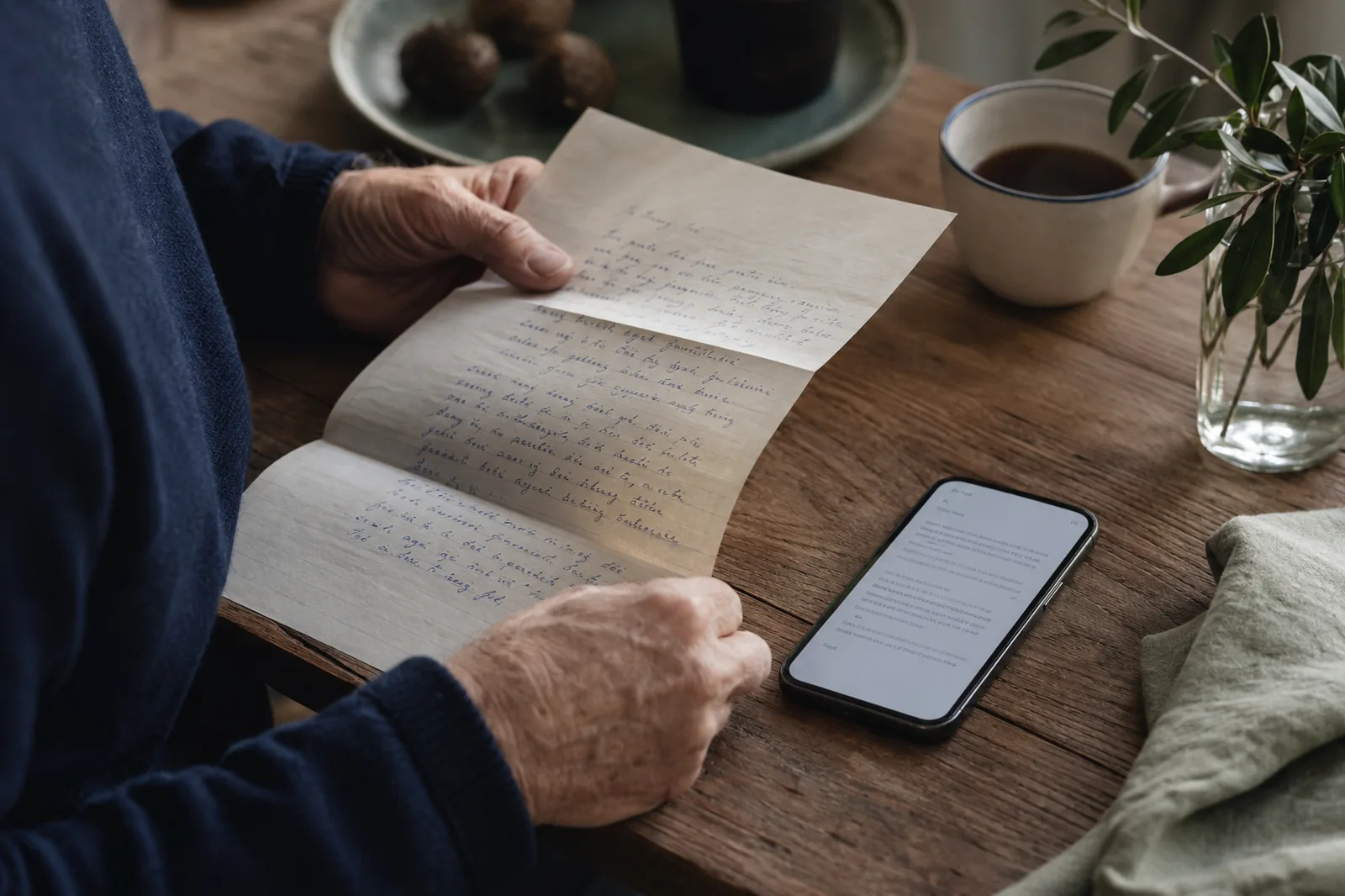
Found a handwritten letter and want to read it again? Here is the short answer: photograph the page, and Swoosh transcribes the hand into clean, typed text you can keep beside the original. The handwriting reader is built to read a handwritten letter even when the ink has faded or the writing runs together, and it is free to try. The essay below is why that is worth doing, and how to do it well.
The Drawer You Forget About
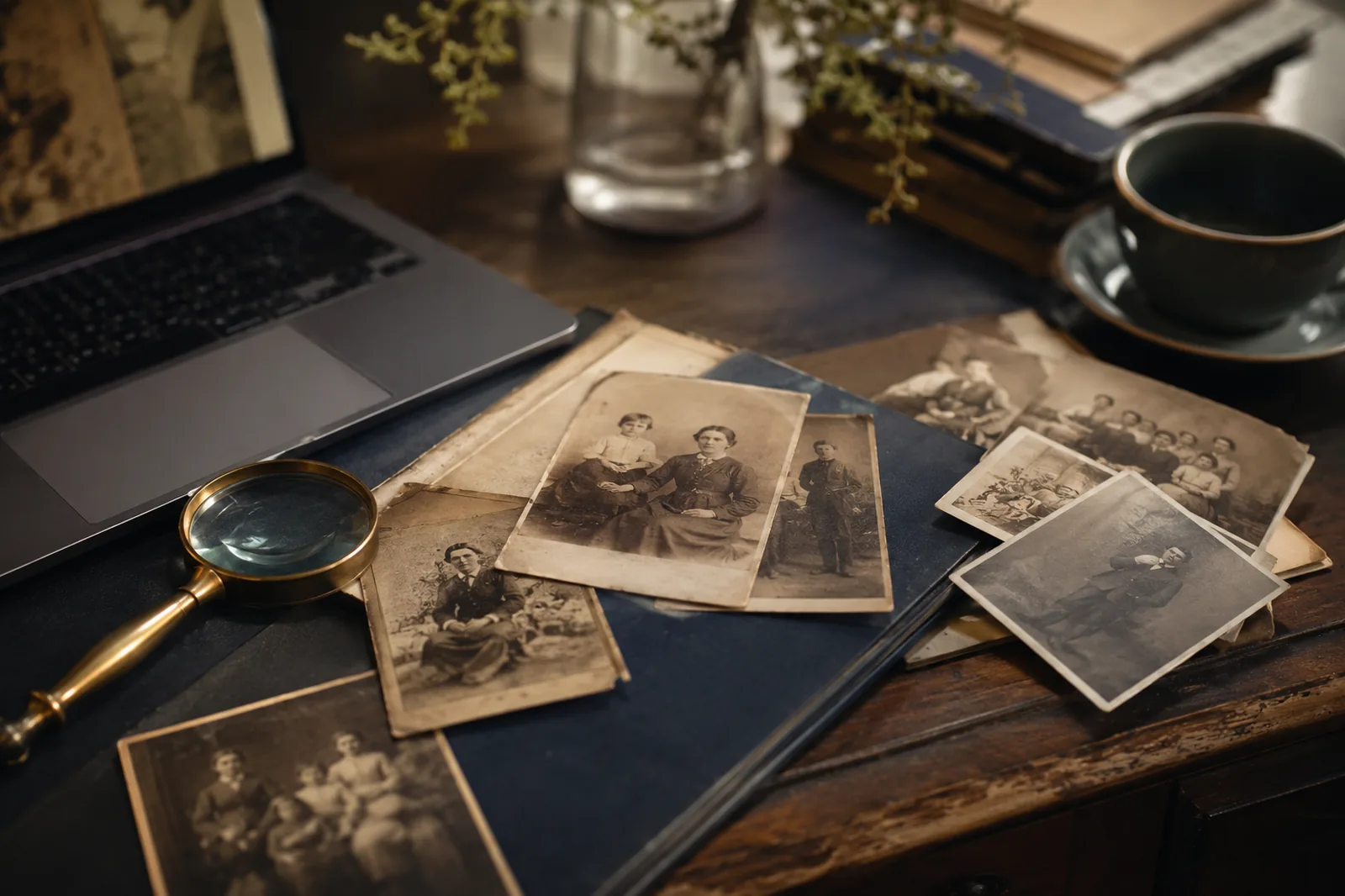
Most of us have one. A drawer that does not quite close, a shoebox at the top of the wardrobe, a tin that used to hold biscuits and now holds paper. Inside, somewhere, is a letter in a hand you know at once. A parent, a grandparent, a friend you have not heard from in years. You were not looking for it. You were looking for the spare key, or the good scissors. And there it is.
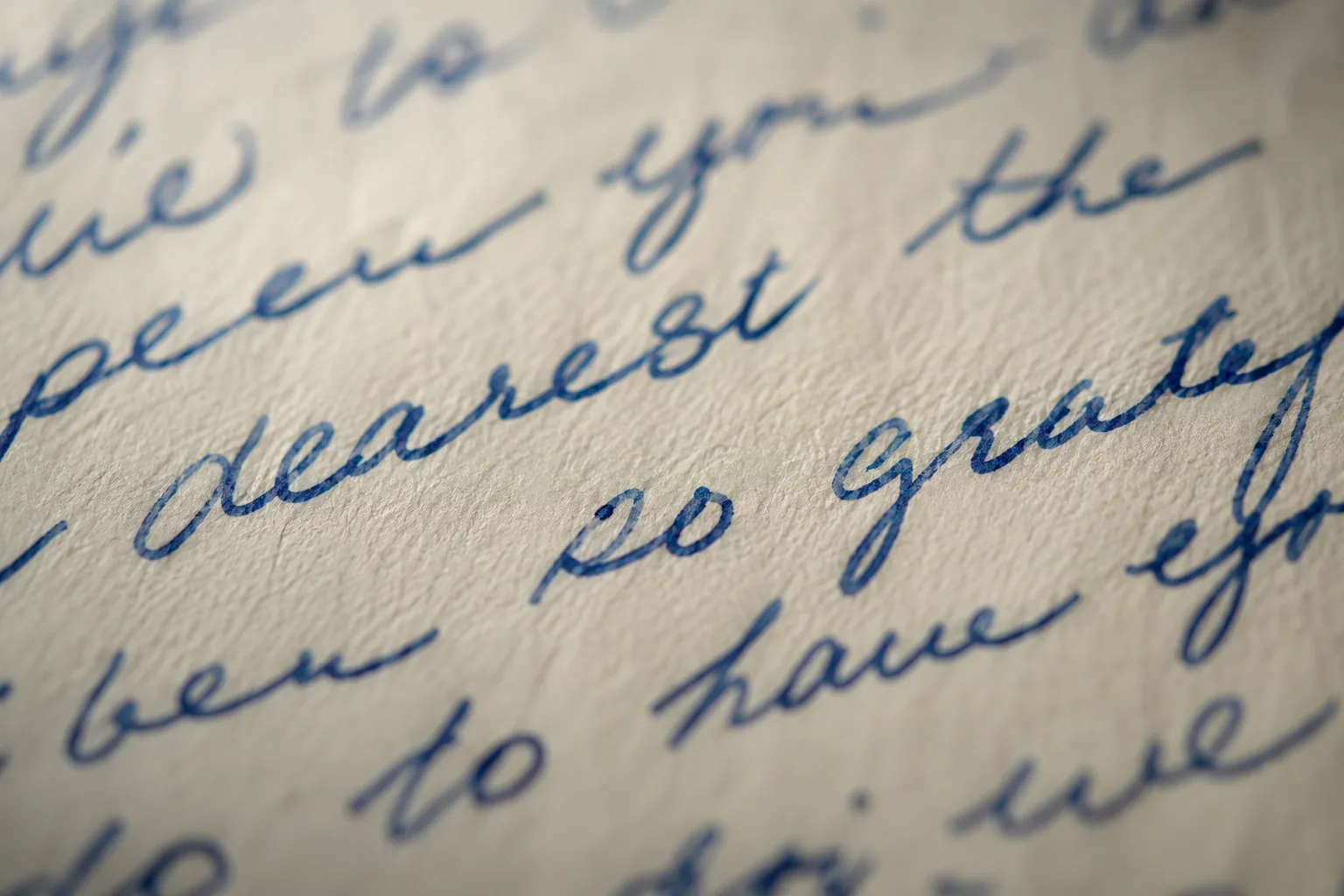
There is a particular pleasure in that moment, before you have even read a word. You recognise the hand. The slant of it, the way the loops run together when the writer was in a hurry, the careful capital letters at the start of a sentence. Handwriting is a kind of voice. Reading it again is a little like hearing someone speak.
This is a guide to keeping that, properly, without giving up the paper.
Photograph It Like You Mean It
The reading is only as good as the picture, so it is worth a few minutes of care.
Use daylight, indirect, falling across the page from the side rather than straight down. A window in the morning is ideal. Avoid the hard glare of a lamp directly overhead, which flattens the ink and throws shadows from the creases. If the letter has been folded for a long time, rest it under a heavy book for ten minutes first so it lies flat.
Use your phone's ordinary camera rather than a scanning app. The native camera gives you the most detail. Fill the frame with the page, leaving a small margin all the way round, and hold steady. If the letter runs over several pages, photograph each one on its own. Separate, clear pictures read far better than one clever stitched-together image.
Read a Handwritten Letter, Side by Side
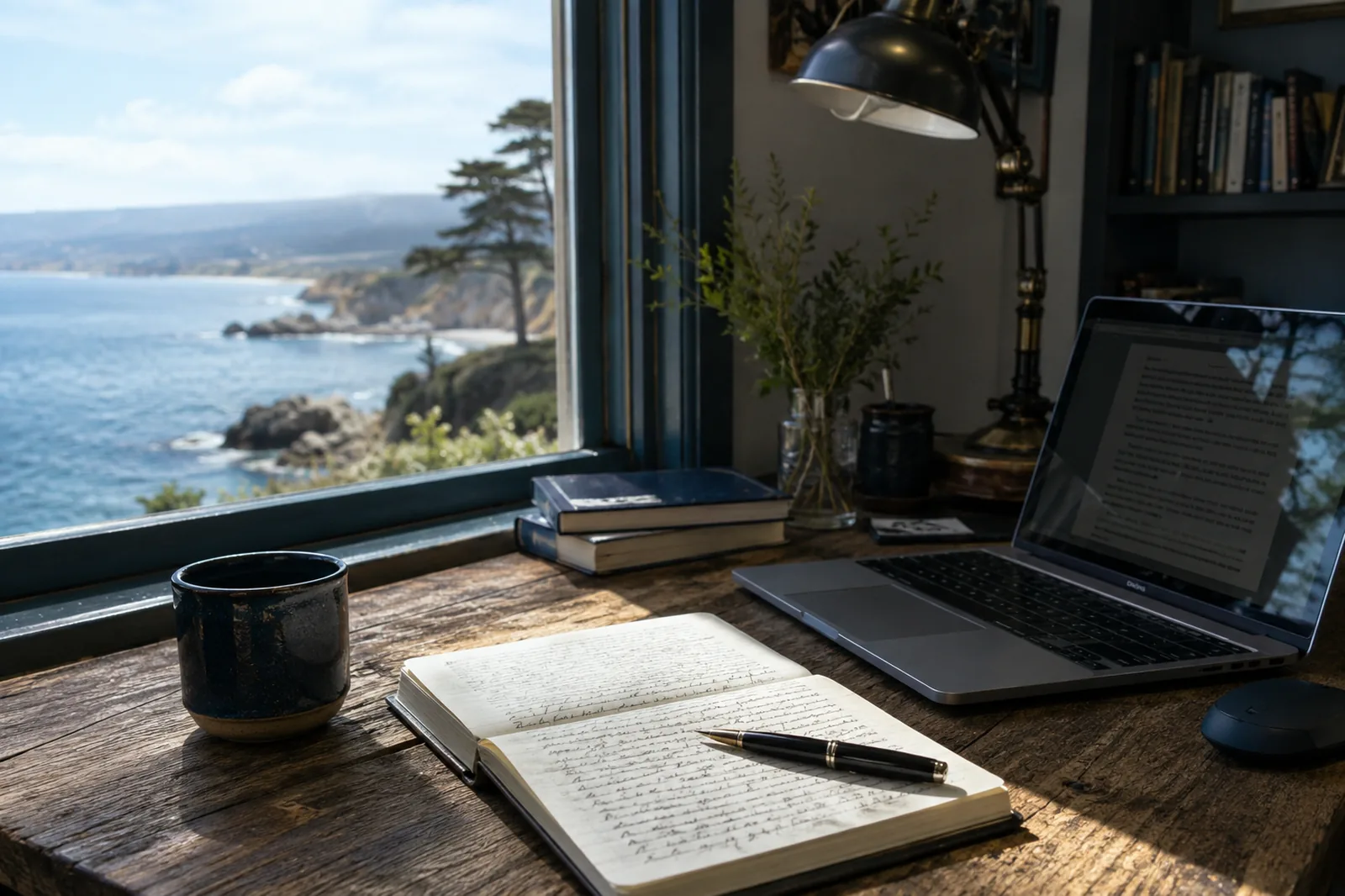
Now the satisfying part. Drop the photograph onto the handwriting tool and the clean, typed text appears next to the original, line for line. You read the two together.
The whole method is short:
1. Photograph each page flat, in soft, indirect daylight, filling the frame.
2. Drop the photo onto the handwriting reader, and the clean text appears beside the hand, line for line.
3. Read the two together, check anything it has flagged against the original, then export to a Word document and keep the photograph alongside.
This matters more than it sounds. You are not handing the letter to a machine and walking away. Where a word is genuinely ambiguous, a smudged place name, an old spelling, a flourish that could be two different letters, it is marked so you can look back at the original and decide for yourself. You stay the reader. The tool simply does the patient work of turning ink into something you can search, copy and keep.
And there is the quiet joy of it. Reading the letter again, slowly, the way you might not have done in years. Noticing the turn of phrase your grandmother always used. Finding the bit that made you smile the first time, still there.
Keep It, and Pass It On
Once the text reads cleanly, export it. A Word document gives you the most room to add a note later: who wrote it, when, what was happening that year. Keep the photograph of the original alongside the transcript, in the same folder, so the paper and the words travel together. Anyone who reads it in the future can hold the typed version and still check it against the hand.
Then share it, if you would like to. Send it to the people who would want to read it too. A letter that sat in a drawer for thirty years can be in five inboxes by lunch, and the original goes safely back in its tin, no longer the only copy in the world.
That is really the whole point. Not to replace the letter, but to make sure the words in it are never one spilled cup of tea away from being lost.
A Few Questions People Ask
Will it read old cursive?
It is built for handwriting, which is exactly where ordinary scanning tools give up. It reads the loops and the joins rather than trying to match each letter in isolation. Where a word is honestly unclear, it flags it rather than guessing silently, so you can check the original.
Is my letter private?
To read the letter, the image is sent to a model that does the reading, and we do not keep your images or use them to train anything. Your grandmother's letter is yours. It does not become part of a dataset.
Can I keep the layout?
The export preserves paragraphs and line breaks, so the shape of the letter survives the move from paper to screen. You can tidy it afterwards if you like, but you do not have to.
Ready to read one of your own? OCR a handwritten image. Free to try.